

 Here’s a sobering fact: most of us spend roughly 90% of our time indoors, yet the air inside our homes can be two to five times more polluted than what we breathe outside. This reality affects millions of families every day, fueling respiratory problems, triggering allergies, and undermining our overall health. But there’s encouraging news—with the right cleaning approach and consistency, you can dramatically transform your home’s air quality and create a genuinely healthier space for everyone under your roof.
Understanding Indoor Air Pollutants
The air inside our homes becomes contaminated through countless sources that build up gradually over time. Dust mites, pet dander, pollen, mold spores, and microscopic debris are among the most persistent offenders, settling on surfaces before becoming airborne again through our daily movements and activities. These tiny particles—many smaller than 10 micrometers—can float suspended in the air for hours, making their way deep into our respiratory systems with every breath.
When indoor air quality deteriorates, the signs often appear as worsening allergy symptoms, persistent respiratory irritation, and more frequent illnesses throughout the household. Children and older adults face the greatest risk, since their immune systems may be less equipped to handle the constant exposure to airborne contaminants. Recognizing these pollutants and their sources becomes your first line of defense in developing a cleaning strategy that actually works.
Key Cleaning Methods for Air Quality
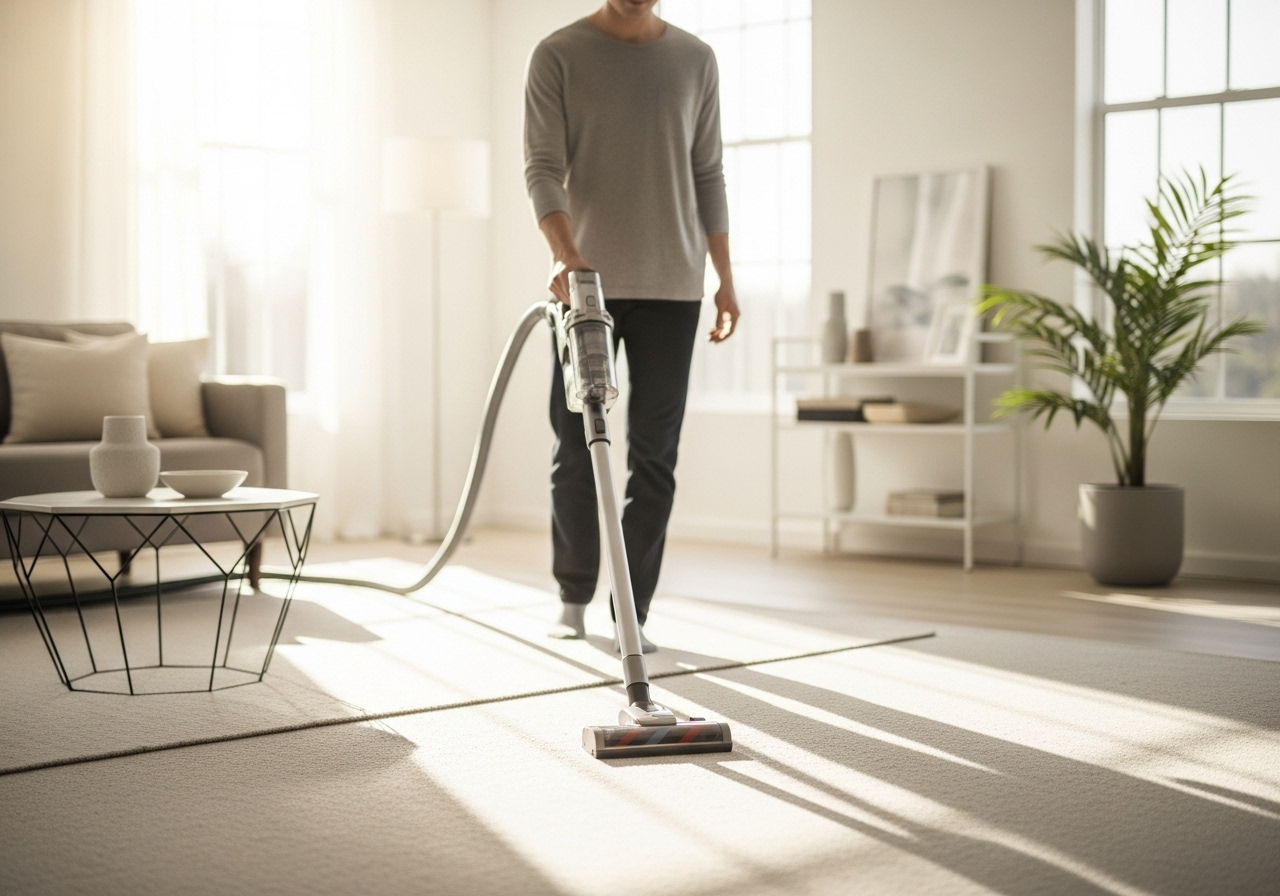
The foundation of cleaner indoor air starts with tackling the particles that accumulate on your floors and carpets. Regular vacuuming—especially with a vacuum equipped with strong suction and quality filtration—removes dust and debris before it can become airborne again. When combined with consistent dusting and proper air filtration throughout your home, these practices work together to significantly reduce the contaminants circulating through your living spaces. Quality filtration systems in your cleaning equipment capture particles that would otherwise keep cycling through your home’s air.
Surface cleaning deserves equal attention in your air quality efforts. Dusting furniture, shelves, and those easily forgotten spots like ceiling fans and light fixtures prevents particles from taking flight in the first place. Microfiber cloths have become the gold standard for this work—their electrostatic properties actually attract and trap fine dust particles far more effectively than traditional cleaning cloths.
Your home’s air filtration and ventilation systems serve as crucial partners to your physical cleaning routine. HEPA filters excel at this job, capturing an impressive 99.97% of particles that measure 0.3 micrometers and larger, which translates to dramatically cleaner air. Meanwhile, proper ventilation works to flush out stale indoor air while bringing in fresh outdoor air, naturally diluting whatever pollutants remain.
The cleaning products you choose can either support or sabotage your air quality goals. Many conventional cleaners release volatile organic compounds (VOCs) that actually add to your indoor pollution problem. Natural alternatives like vinegar, baking soda, and plant-based cleaners often deliver impressive cleaning results without introducing harmful chemicals into your home’s atmosphere.
Establishing an Effective Cleaning Schedule
When it comes to improving air quality, consistency beats sporadic deep-cleaning marathons every time. High-traffic areas benefit from attention twice each week, while rooms that see less activity can typically be maintained with weekly cleaning. Bedrooms deserve frequent care since they’re prime territory for dust mite buildup, and kitchens plus bathrooms require regular attention to keep mold and bacteria from gaining a foothold.
Don’t overlook seasonal patterns in your cleaning approach. Spring cleaning should target the debris that’s accumulated through winter months, while fall preparations focus on addressing outdoor allergens that inevitably find their way inside. Building a sustainable routine that you can actually maintain delivers far better results than exhausting yourself with occasional intensive cleaning sessions.
Maintenance of Cleaning Equipment
Your cleaning tools can only perform as well as their condition allows. Filters need cleaning or replacement based on manufacturer guidelines—typically every 3-6 months, though heavy use may require more frequent attention. When filters get clogged with dirt and debris, they lose suction power and may even blow previously captured particles back into your air.
Proper care and storage keep your equipment working effectively for years. Take time to clean tools after each use and store them in dry locations where mold and mechanical problems won’t develop.
Measuring Improvement in Indoor Air Quality
The positive changes from consistent cleaning practices usually become apparent within 2-4 weeks. You’ll likely notice less dust settling on surfaces, fewer allergy flare-ups among household members, and an overall fresher feeling to your indoor air. While some families choose to track their progress with air quality monitors, these devices aren’t essential for most homes—your family’s improved comfort and health will tell the story clearly enough.
Actionable Next Steps
Ready to transform your home’s air quality? Start implementing these proven strategies today:
- Take stock of your current cleaning routine and pinpoint areas that need more frequent attention
- Review your cleaning equipment and replace any worn filters or tools that aren’t performing well
- Select cleaning products thoughtfully to avoid introducing new pollutants into your home
- Design a realistic weekly schedule that covers every area without overwhelming your time
- Track your progress by noting improvements in allergy symptoms and surface cleanliness
Regular home cleaning goes far beyond maintaining appearances—it’s a fundamental health practice that builds cleaner, safer indoor environments where your family can truly thrive.