

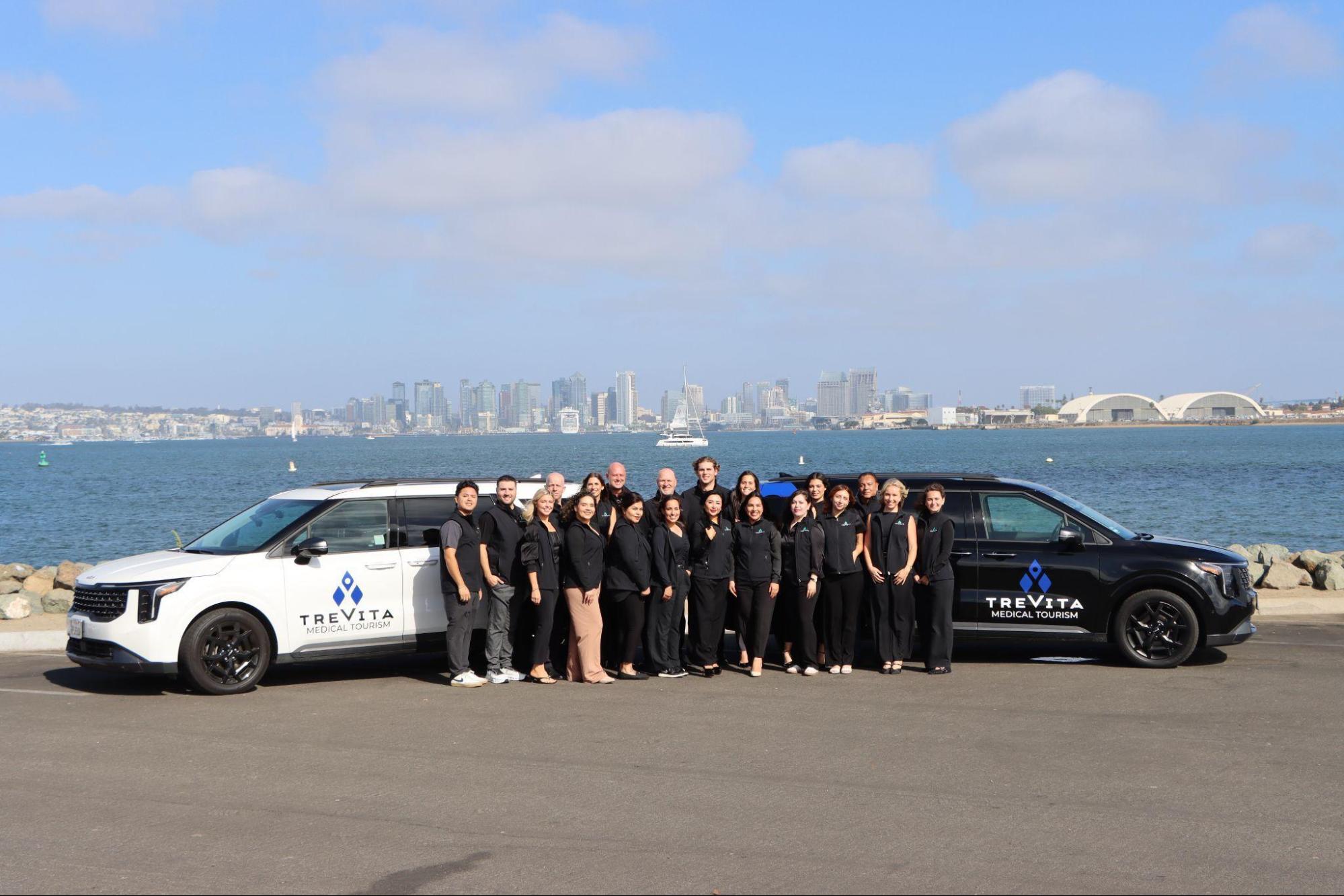
For Orange County residents curious about stem cell science, one of the closest destinations is just south of San Diego. But in a fast-evolving field, access is only part of the equation.
For years, traveling abroad for medical care often meant boarding a long-haul flight to destinations in Europe, Asia or Latin America. For Southern Californians interested in one of medicine’s fastest-evolving fields, the journey can look very different.
Just south of San Diego, a growing regenerative medicine industry in Baja California has made stem cell-based interventions accessible within driving distance of Orange County. That proximity is attracting attention from patients interested in longevity, recovery and emerging approaches to health, but it is also raising an important question: How should consumers evaluate a field in which scientific interest is advancing faster than many of the treatments themselves?
The answer begins with understanding what regenerative medicine actually is.
Broadly speaking, regenerative medicine explores ways to repair, replace or regenerate damaged cells and tissues. Stem cells are only one part of that field, which also includes areas such as tissue engineering, biomaterials and gene-based technologies. The National Institutes of Health continues to support regenerative medicine research, while noting that considerable work remains before many experimental approaches can be established as safe and effective therapies.
The FDA warns that many regenerative medicine products marketed for orthopedic, neurological, cardiovascular and other conditions are not approved for those uses in the United States. The agency has also cautioned consumers that inclusion on ClinicalTrials.gov does not mean a product has been reviewed or authorized by the FDA.
That makes transparency especially important for anyone considering care abroad. Patients can ask what type of cells are being used, where they come from, how they are processed and tested, what documentation is available and why a physician believes a particular intervention should even be considered.
San Diego-based TreVita has built its regenerative medicine program around that type of individualized review. The medical travel company coordinates care with physicians in Zona Río, Baja California, beginning with a review of a patient’s medical history, diagnostic information and goals rather than a predetermined treatment package.
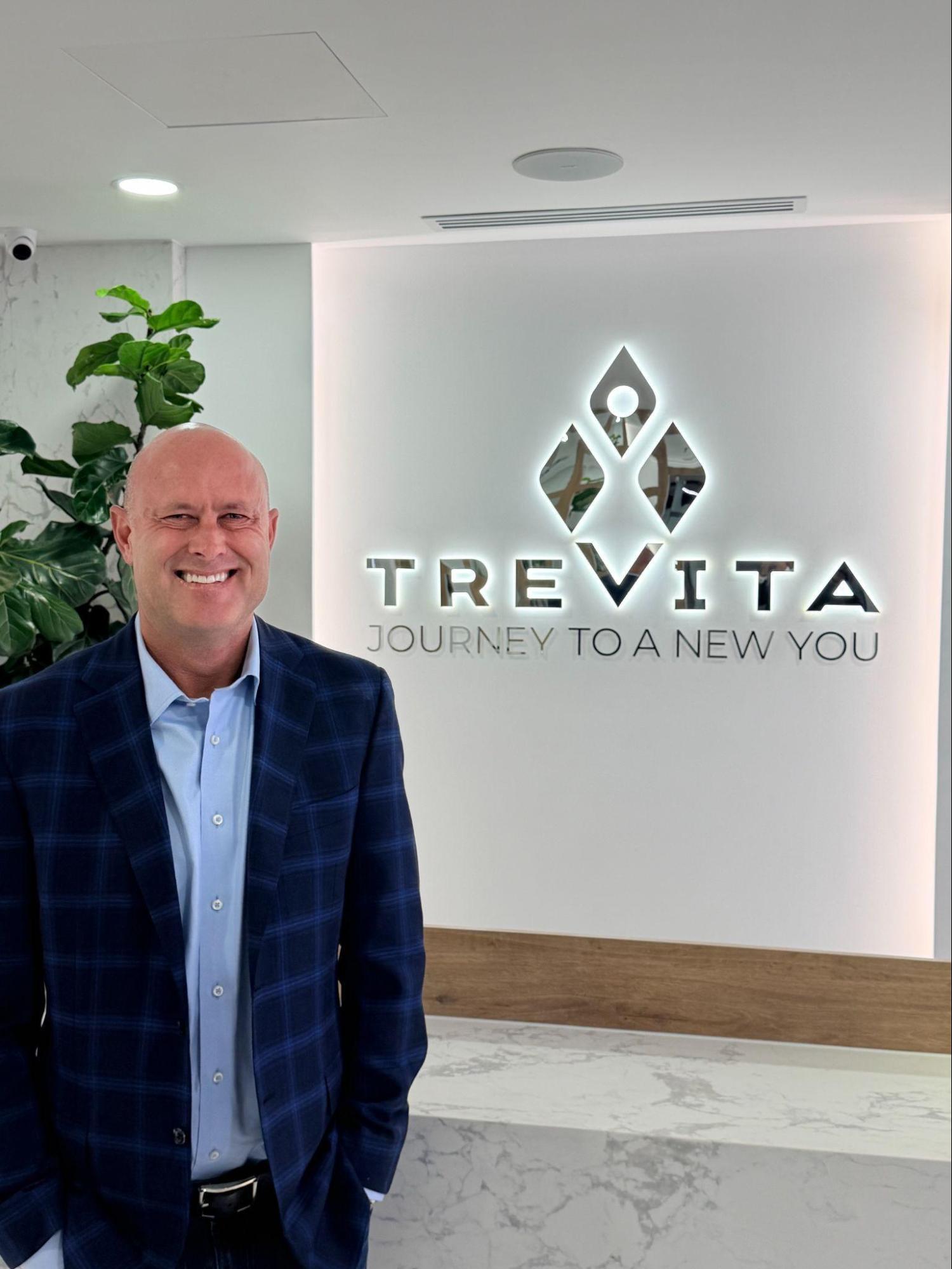 TreVita is now expanding that program across additional therapeutic areas, including healthy aging and rejuvenation, sports and orthopedic injuries, among others. As part of the expansion, the company is placing greater emphasis on transparency around the cellular products clients receive, including cell source, count, viability, testing and available documentation, while continuing to provide support from medical review and treatment planning through travel coordination and post-care follow-up.
“Regenerative medicine is an increasingly important part of the healthcare conversation, but it is also a category where clients need clarity, transparency and strong medical oversight,” says Blake Schroeder, CEO of TreVita. “Regenerative medicine is highly individualized, and we believe clients deserve clear information and realistic expectations as they evaluate whether it may be appropriate for them.”
For Orange County residents, the appeal is partly geographical. Zona Río is just across the border from San Diego, putting an emerging area of medicine much closer than many traditional international medical destinations.
But proximity does not change the underlying science. Stem cell research continues to evolve, and many potential applications remain under investigation. For consumers, the most useful approach may be to stay curious about the research while remaining cautious about certainty, asking detailed questions and expecting clear answers about exactly what is being offered and what is actually known about it.